/Naviate-blog/facebook-color-naviate.svg)
/Naviate-blog/linkedin-color-naviate.svg)
/Naviate-blog/twitter-color-naviate.svg)
/Naviate-blog/email-color-naviate.svg)
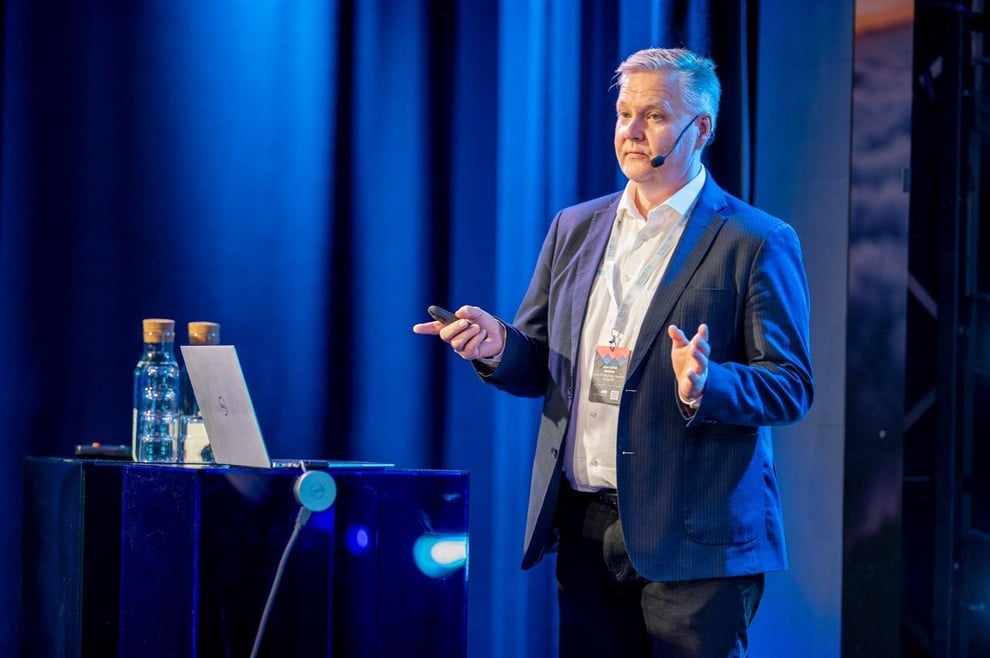
The BIM Summit 2026 by Symetri was held on 28 April in Stockholm. The summit brought together AECO professionals to explore the future of BIM and digital construction, how AI and integrated data management are changing decision‑making, and the role of the built environment in creating sustainable, human‑centric societies. Speakers included both industry leaders and voices from outside AECO, offering broader perspectives on innovation, leadership, and societal impact—one of the defining characteristics of the BIM Summit.
The event offered more than inspiration this year — it confirmed a clear shift in how the AECO industry views AI, sustainability, and early design decisions, and why Naviate’s direction toward 2030 feels more relevant than ever.
From Fragmented Tools to Integrated Thinking
At this year’s BIM Summit, a few themes stood out, clearly articulated and strongly resonated across sessions and conversations. The way AI, sustainability, and early decision‑making were discussed reflected a maturing industry, one that is increasingly focused on responsibility, clarity, and long‑term value.
The summit agenda reflected clear ambition: to help AECO professionals move from fragmented digital adoption to integrated, value‑driven transformation. By combining inspiration, real‑world application, and peer exchange, the BIM Summit by Symetri positions itself as both a strategic compass and a practical toolkit for those shaping the future of the built environment.
For us at Naviate, conversations at the BIM Summit were not only inspiring. They confirmed key assumptions behind our Path to 2030 and sharpened our view of what truly matters as we move forward.
AI is growing up.jpg?width=473&height=315&name=Vr%20headset%20man%20working%20(1).jpg)
AI was present throughout the agenda, but what struck me most was the change in tone. Rather than treating AI as a future concept, the agenda focused on how AI is already being used to enhance BIM workflows, automate repetitive tasks, improve analysis, and support better decisions across the project lifecycle. The discussions felt more grounded, more practical, and more honest. AI is no longer seen as a shortcut to better outcomes, but as a decision‑support capability that depends entirely on the quality of the foundation beneath it.
AI amplifies what is already there. Without structured, reliable data and clear workflows, it adds speed but not clarity. With them, it supports better judgment and more informed decisions. This distinction surfaced repeatedly — and it signals that the industry is moving from experimentation to responsibility. That, to me, is a very positive development.
Why Sustainability Outcomes Depend on Early Design Decisions
Sustainability was embedded throughout the programme, not as a standalone topic, but as a natural outcome of better data, smarter planning, and lifecycle‑based design. Sessions emphasized how digital tools support lower carbon impact, regulatory compliance, and long‑term asset performance.
The agenda repeatedly addressed how digitalisation is reshaping professional roles. BIM managers, designers, engineers, and leaders alike are encouraged to think about:
- New competence requirements
- Cross‑disciplinary collaboration
- The human side of digital transformation
This makes the content relevant not only for specialists but also for organizational leaders driving change.
One message came through very clearly: if sustainability becomes a concern too late in a project, then most of the meaningful opportunities to influence outcomes have already passed. By the time we try to optimise, we are often working within constraints that were set much earlier.
If we want to create buildings and infrastructure with genuinely lower environmental impact, sustainability must be embedded upstream — where key decisions are still open, alternatives can be evaluated, and data can inform trade‑offs rather than justify them. Sustainability is not something we add at the end. It is something we decide at the beginning.

Integrated Data Enables Better Decisions
Another strong theme throughout the Summit was integration—of tools, data, teams, and organisations.
Integrated data is no longer discussed as a technical ambition, but as an enabler of better collaboration, clearer communication, and more confident decision‑making across disciplines. When information is structured and connected, teams spend less time aligning interpretations and more time focusing on outcomes.
That shift — from managing information to actively using it — is essential if we are to scale quality, efficiency, and sustainability in an increasingly complex environment. Data becomes valuable not because it exists, but because it supports better choices.
What this confirms about Naviate’s Path to 2030
Taking part in these conversations, I felt less surprised than reassured.
At Naviate, our Path to 2030 is grounded in a simple belief: the greatest value in digitalisation is created early. It comes from structured data, smarter workflows, and decisions that are informed rather than reactive. AI, sustainability, and lifecycle thinking are not separate initiatives—they are deeply interconnected, and they only deliver value when aligned from the start.
What the BIM Summit highlighted is that these principles are increasingly shared across the industry. The conversation is moving away from tools and complexity for their own sake, and toward clarity that supports better decisions.
That alignment gives me confidence—not only in Naviate’s direction, but in the industry’s growing readiness to make digitalisation work for the challenges we actually face.
Looking ahead
The pace of change in our industry will not slow down. New technologies will continue to reshape how we design, build, and operate the built environment. But progress should not be measured by technology alone.
It should be measured by how well tools, data, and workflows come together to support smarter decisions, especially early in the process—when intent is defined, and long‑term impact is shaped.
The BIM Summit served as a timely reminder that this is where real value is created. And it reinforces why Naviate’s focus remains on helping organisations make better choices earlier, rather than compensating for uncertainty later.
If these themes resonate with you, we welcome the opportunity to continue the conversation.
In case you missed this year’s BIM Summit, or would like to revisit the Naviate perspective shared on stage, you can watch our ‘MORNING BREAKOUT: Connected Design & Productivity: Naviate’s Path to 2030’ here: https://www.youtube.com/watch?v=ipPrxK3zYrw
To stay up to date with Naviate’s development and explore these topics further, join us at our upcoming Naviate User Days in Oslo, Stockholm, or London: https://www.naviate.com/naviate-user-days/